Column · @edgartmqs284
How Cosmetic Dentistry Helps Restore Self-Confidence
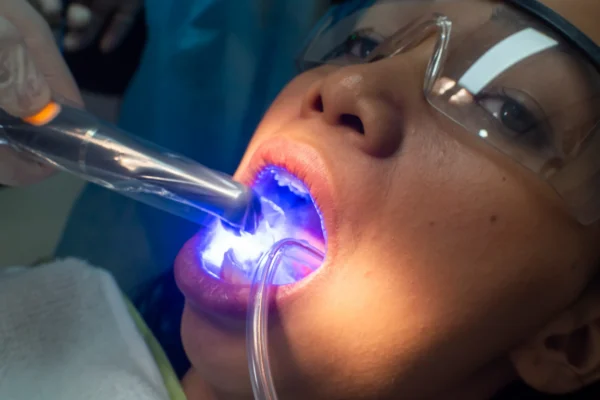
A smile is never just a smile. In practice, it often carries years of private hesitation, habits formed around hiding teeth, and small social adjustments that become so routine people barely notice them. They learn to smile with their lips closed in photographs. They cover their mouth while laughing. They angle their face during conversations. They speak a little less in meetings, date a little more cautiously, and avoid being the first person to greet someone with an open grin.
This is where Cosmetic Dentistry has a deeper role than many people assume. It is easy to reduce it to appearance alone, as if improving a smile were a purely surface-level choice. Real life tends to be more complicated. For many patients, cosmetic treatment sits at the intersection of aesthetics, function, self-perception, and social ease. When done well, it does not create a new identity. It allows people to stop managing around a feature that has been making them feel self-conscious for years.
That distinction matters. Confidence restored through dental care is rarely about chasing perfection. More often, it is about removing a persistent source of friction from everyday life.
The emotional weight of a smile
Most people do not think about their teeth constantly. They think about them at very specific moments, and those moments tend to matter. A job interview. A wedding. A first date. A presentation. A family photo that will live on the wall for a decade. If someone feels uneasy about stained, chipped, uneven, or missing teeth, that discomfort can flare sharply in situations where they most want to feel composed.
Dentists see this pattern often. A patient may come in saying they want whiter teeth or to fix one front tooth. After a little conversation, the real story emerges. They stopped smiling in photos after a childhood accident. They have avoided video calls because of discoloration. They had braces years ago, relapsed, and now feel embarrassed by crowding. They have a gap that never bothered them until someone made an offhand remark.
Those details may seem minor to an outsider, but self-consciousness rarely behaves rationally. What appears like a small cosmetic issue can occupy a disproportionate amount of mental space. People adapt, then organize around the insecurity. Over time, that repeated self-monitoring chips away at confidence.
Restoring a smile can ease that burden. Not because a person suddenly becomes flawless, but because they no longer need to manage their face so carefully. There is relief in that. Relief is often the first stage of renewed confidence.
Confidence changes behavior before it changes appearance
One of the more interesting aspects of cosmetic dental treatment is that the psychological effect often shows up in behavior very quickly. Even modest improvements can shift how someone carries themselves. They smile more readily. They stop editing facial expressions. They speak with less tension in the mouth and jaw. They participate more.
This is not vanity. It is social comfort.
People who feel good about their smile tend to use it more freely, and smiling itself influences interaction. It can make a person seem warmer, more approachable, and more engaged. In turn, they often receive better social feedback, which reinforces confidence further. That loop is powerful. A single improvement, such as repairing a chipped central incisor or brightening deeply stained enamel, can alter how someone experiences daily exchanges.
There is also a professional dimension. Fair or not, appearance affects first impressions. Healthy, cared-for teeth can signal attentiveness and self-respect. This does not mean cosmetic work is necessary for success, and it certainly should not be treated as a requirement. Still, for people whose dental appearance has been a persistent source of insecurity, correcting it can remove one more obstacle between them and the way they want to present themselves.
What Cosmetic Dentistry actually addresses
Cosmetic Dentistry covers a wide range of concerns, and the best treatment is not always the most dramatic one. Some patients need a full smile makeover. Many do not. Often, confidence improves through targeted changes rather than extensive intervention.
Teeth whitening is one of the simplest examples. External staining from coffee, tea, red wine, smoking, and age can dull a smile and make teeth appear older or less healthy than they are. Professional whitening, when appropriate, can produce a meaningful lift in brightness without changing the structure of the teeth. For the right person, that alone can have a noticeable psychological effect.
Bonding is another understated option. Composite resin can repair chips, reshape uneven edges, close small gaps, and mask localized discoloration. It is conservative, relatively affordable compared with more complex restorations, and often completed in a single visit. When the concern is isolated, bonding can deliver a striking improvement with minimal intervention.
Veneers tend to receive the most attention, but they are best understood as one tool among several. Well-designed porcelain veneers can correct shape, size, spacing, symmetry, and color at once. They are especially useful when multiple front teeth have aesthetic issues that cannot be solved predictably with whitening or orthodontics alone. The downside is that veneers require careful planning, precision, and a strong commitment to maintenance. They should never be sold as a casual upgrade.
Orthodontic treatment, including clear aligners, often has both cosmetic and functional value. Straightening crowded or spaced teeth can improve appearance, make hygiene easier, and in some cases reduce uneven wear. Many adults pursue orthodontics not because they want an artificially perfect smile, but because they are tired of hiding teeth that shifted over the years.
Crowns, implants, and gum contouring may also play a role. A broken tooth that has darkened after trauma, a missing lateral incisor, or an uneven gumline can all affect the balance of a smile. Restoring these issues can be transformative, especially when the problem has been present long enough to shape a person's self-image.
Why small changes can feel so significant
From a clinical perspective, not every cosmetic improvement is extensive. From a personal perspective, the size of the treatment often has little to do with its emotional impact.
A patient who has lived with one discolored front tooth for fifteen years may experience more confidence after that tooth is corrected than another patient who has six veneers placed. The reason is simple. The treatment resolves the specific detail that has been attracting their attention every time they look in a mirror.
Human beings do not assess themselves the way a dentist does. Dentists evaluate proportion, symmetry, shade, function, and periodontal health. Patients usually fixate on one or two features they believe define their smile. If those features can be improved safely and realistically, the emotional return can be outsized.
That is why good cosmetic dentistry begins with listening. Before discussing materials or techniques, an experienced clinician tries to understand what bothers the patient, how long it Cosmetic Dentistry has bothered them, and what outcome would feel natural rather than overdone. The technical plan matters, but so does translation. A dentist must turn a vague statement like "I hate my smile" into specific, treatable findings without projecting their own aesthetic preferences onto the patient.
The line between enhancement and over-treatment
Confidence grows when treatment feels authentic. It can suffer when cosmetic work looks generic, excessive, or disconnected from the person's face.
That is one reason ethical cosmetic dentistry requires restraint. Not every gap should be closed. Not every smile should be made ultra-white. Not every patient needs veneers. There are faces that benefit from a little softness, asymmetry, or character. A highly uniform result can look polished on a screen and strangely artificial in person.
The strongest outcomes usually respect age, lip dynamics, facial proportions, and personality. A 24-year-old with translucent enamel and naturally rounded incisal edges may look best with a different finish than a 58-year-old restoring worn anterior teeth. The goal is not to produce the same smile repeatedly. It is to create a result that seems to belong to the individual.
Patients often sense this intuitively. Many are not seeking celebrity-style teeth. They want to look like themselves, only healthier, fresher, and less self-conscious. The confidence boost is greater when friends say, "You look great," rather than, "What did you have done?"
The practical path from insecurity to treatment
For anyone considering cosmetic work, the process should feel methodical rather than pressured. A proper consultation generally includes an examination of tooth health, gum condition, bite, existing restorations, wear patterns, and photographs. If necessary, radiographs help determine whether a cosmetic concern has a deeper structural or biological cause.
Sometimes the first step is not cosmetic at all. Gum inflammation, untreated decay, grinding, or an unstable bite can undermine aesthetic results. A patient may come in wanting veneers, but the wiser plan is to start with periodontal care, a night guard, whitening, or orthodontics. This can be disappointing in the moment, yet it usually leads to a better and more durable outcome.
There is also value in mock-ups and trial changes. Temporary bonding, wax-ups, and digital smile previews can help patients visualize the direction of treatment. These tools are useful, but they should be treated as guides, not promises. Real mouths are dynamic. Lip movement, facial expression, and natural tooth texture often matter more than an idealized static preview.
When patients understand the sequence and trade-offs, they tend to feel more in control. Control itself supports confidence. Cosmetic dentistry works best when it is collaborative rather than prescriptive.
The trade-offs patients should understand
No treatment is free of limitations, and confidence built on realistic expectations is more stable than confidence built on sales language. Cosmetic procedures can improve a smile dramatically, but they do not stop aging, eliminate maintenance, or suit every case equally well.
A few practical considerations are worth keeping in mind:
- Whitening can brighten teeth, but it does not change the color of crowns, veneers, or composite fillings.
- Bonding is conservative and versatile, yet it can stain or chip over time and may need periodic polishing or repair.
- Veneers can look beautiful and last many years, but they require precise planning, excellent home care, and eventual replacement.
- Clear aligners improve alignment effectively in many adults, though complex bite issues may still require comprehensive orthodontic treatment.
- Implants replace missing teeth predictably, but they involve healing time, adequate bone support, and a higher financial commitment.
These are not reasons to avoid treatment. They are reasons to choose carefully. The best confidence comes from results a patient can live with comfortably, not just admire on the day they are finished.
The role of function in feeling confident
Cosmetic concerns and functional concerns often overlap more than people expect. A person with worn front teeth may dislike the shortened appearance, but the wear may also affect speech, bite comfort, and sensitivity. Someone with crowding may be unhappy with the look of their smile, while also struggling to floss properly and dealing with recurrent gum inflammation. A missing tooth can alter facial balance and chewing efficiency at the same time.
This overlap matters because confidence is not purely visual. It includes being able to eat comfortably, speak clearly, and stop worrying that a failing tooth will show or break at the wrong moment. Many patients report the greatest relief not when others notice their smile, but when they stop thinking about it themselves.
That internal shift is easy to underestimate. A patient who no longer fears that an old bonding edge will chip during dinner, or that a dark crown margin will show under restaurant lighting, experiences a quiet but meaningful increase in ease. Confidence is often measured in moments that never happen because the problem has been solved.
Adults who waited years before doing anything
Many people delay Cosmetic Dentistry for far longer than they expected. Cost is one reason. Fear is another. Sometimes it is uncertainty about whether their concern is "serious enough" to justify treatment. Adults routinely minimize issues that have bothered them since adolescence, telling themselves they should not care so much. Then they see a photograph or prepare for a milestone event and realize the insecurity has never really left.
There is nothing frivolous about addressing something that affects how a person interacts with the world. That does not mean every insecurity needs dental treatment. Some concerns are better addressed through perspective than intervention. But when a correctable dental issue is consistently undermining someone's comfort, there is a practical case for doing something about it.
The change can be especially striking in patients who postponed care because they assumed they had missed their chance. Adults in their forties, fifties, and sixties often make excellent cosmetic candidates, provided the teeth and gums are healthy enough to support treatment. They tend to be clear about what bothers them and less vulnerable to trends. Many want the opposite of an attention-grabbing makeover. They want calm, natural improvement.
Choosing the right dentist matters as much as choosing the right procedure
Cosmetic work lives or dies on diagnosis, planning, and taste. Technical skill is essential, but so is judgment. A dentist who can place a veneer beautifully still needs to know when not to place one. The patient benefits most when the clinician considers durability, biology, facial harmony, and long-term maintenance alongside appearance.
When evaluating a provider, it helps to look beyond marketing language. Before-and-after photos can be informative if they show a range of real cases rather than one style repeated on every patient. A thorough consultation should include discussion of alternatives, risks, longevity, and what maintenance will likely involve. Good dentists do not rush patients toward irreversible treatment.
It is also useful to pay attention to how the dentist talks about natural variation. If every smile is described as needing to be brighter, wider, or more symmetrical, caution is warranted. Mature cosmetic care is not about erasing character. It is about identifying what truly disrupts the smile and correcting it thoughtfully.
What confidence looks like after treatment
The final result is not always dramatic to an outsider. Often the most successful cosmetic cases are the ones that blend in seamlessly. Yet the patient feels the difference immediately.
They laugh without reflexively lifting a hand to their mouth. They stop rehearsing how to angle their face in photos. They say yes to pictures with their children. They no longer feel a flash of embarrassment every time a meeting moves to video. These are small freedoms, but together they amount to something substantial.
There is a particular kind of confidence that comes from no longer bracing against being seen. Cosmetic dentistry can help create that shift when the treatment is appropriate, conservative where possible, and tailored to the individual. It cannot solve every problem of self-esteem, and it should never be sold that way. But it can remove a highly visible source of discomfort that has been distorting how a person shows up in the world.
That is why the impact often reaches beyond the mirror. The smile changes, yes. So does posture, eye contact, spontaneity, and willingness to engage. For many patients, the most meaningful outcome is not that their teeth look better. It is that they stop thinking about them long enough to feel like themselves again.
Toothworks of Bakersfield, Dentist and Orthodontist
1030 H St #1, Bakersfield, CA 93304, United States
+1 661-323-9421
FAQ About Cosmetic Dentistry
Is bonding better than veneers?
Neither option is best for everyone. Composite bonding can address small chips, gaps, or shape concerns and is generally easier to repair. Porcelain veneers may offer greater resistance to staining and wear, but often require removal of some enamel. A dentist should assess your oral health, bite, goals, and budget before recommending treatment.
How long will dental bonding last?
Bonding commonly lasts about three to ten years before it needs repair or replacement, though this varies with the location and amount of bonding, your bite, and daily habits. Regular dental visits, good oral hygiene, and avoiding chewing hard objects can help protect it. Ask your dentist what lifespan is realistic for your particular treatment.
What are the risks of teeth whitening?
Whitening can cause temporary tooth sensitivity and gum irritation. Overuse or incorrect use may damage teeth or gums, and whitening does not change the color of existing crowns, veneers, or fillings. Have a dentist assess your teeth and gums, and follow the recommended product directions and treatment schedule.