Column · @edgartmqs284
Exploring the Latest Materials Used in Cosmetic Dentistry
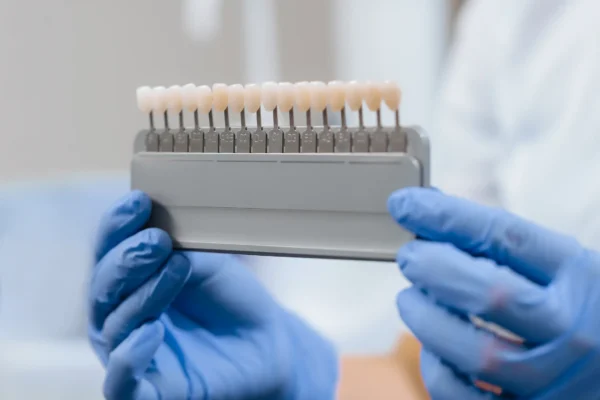
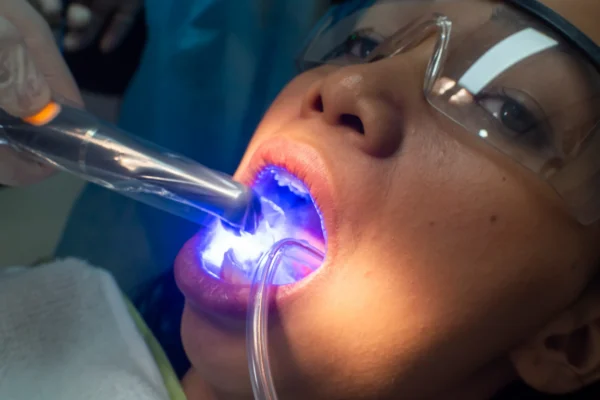
Cosmetic dentistry has changed dramatically over the past two decades, and much of that change has come down to materials. Techniques matter, of course. So does clinical judgment. But when patients notice that veneers look more lifelike, crowns feel less bulky, or whitening treatments seem more predictable, they are often seeing the results of better material science rather than a completely new procedure.
That shift is easy to miss from the outside. Many patients still think in simple terms: porcelain, composite, metal, whitening gel. Inside the operatory, the picture is far more nuanced. Dentists now choose among high strength ceramics, nano-filled composites, adhesive systems engineered for specific substrates, and digitally milled blocks designed for everything from front teeth to heavy-biting molars. The goal is not just to make teeth look attractive. It is to create restorations that behave more like natural enamel, hold up under stress, preserve tooth structure, and age gracefully.
The most interesting part of modern Cosmetic Dentistry is not that there is one miracle material. There is not. What has improved is the match between the material and the clinical situation. A material that performs beautifully in a single upper lateral veneer may be the wrong choice for a lower molar crown in a patient who clenches at night. Good cosmetic results come from understanding those distinctions.
Why materials matter more than most people realize
A cosmetic restoration sits at the intersection of art and engineering. Shade and shape get most of the attention, but long-term success depends on subtler qualities: flexural strength, translucency, polish retention, bond reliability, wear behavior, and how the material interacts with opposing teeth.
Natural teeth are not uniformly white blocks. Enamel transmits light. Dentin scatters it differently. The incisal edge often has a slight halo or translucency, and the surface texture changes how the tooth reflects light in photographs, daylight, and indoor settings. Early cosmetic materials could imitate some of that, but not all of it. They often looked acceptable from conversational distance and flat under scrutiny. Newer materials let clinicians build or mill restorations that mimic these optical effects more convincingly.
There is also a conservation issue. Older restorative approaches often required more aggressive tooth reduction to create room for the material. Today, improved ceramics and adhesive systems allow thinner restorations in selected cases. That matters. Once enamel is removed, it does not grow back. Preserving it whenever possible gives both the dentist and the patient better options over time.
Modern dental ceramics have become far more sophisticated
When patients say “porcelain veneers,” they are using a broad label for Cosmetic Dentistry a category that now includes several distinct ceramic families. Each has different optical and mechanical properties, and each asks something different from the dentist, technician, and preparation design.
Lithium disilicate remains a workhorse for esthetic restorations
If there is one material that has shaped modern esthetic dentistry more than most, it is lithium disilicate. It became popular because it offers a rare combination: strength that is suitable for many single tooth restorations and esthetics that can look remarkably natural in the front of the mouth.
In practical terms, lithium disilicate works well for veneers, inlays, onlays, and many anterior crowns. It can also be used for some premolars and carefully selected molars, depending on occlusion and thickness. Its major advantage is that it can be etched and bonded predictably. That adhesive bond helps support the restoration and allows for more conservative preparations than older crown designs often required.
From a visual standpoint, lithium disilicate can be layered by a skilled ceramist or milled in monolithic form and then stained and glazed. The best cases often involve a balance between strength and artistry. A fully layered restoration may create stunning depth, but it can be more vulnerable to chipping in some situations. A monolithic restoration offers durability, though it may require more attention to characterization if the case is highly esthetic.
I have seen lithium disilicate shine in cases where a patient wanted to correct worn edges and subtle discoloration without the bulky appearance that older restorations sometimes created. When the preparation stays mostly in enamel and the bond is excellent, the result can look almost invisible.
Zirconia has moved from opaque and utilitarian to highly esthetic
Zirconia used to have a reputation for toughness at the expense of beauty. Early versions were strong, but often too opaque for demanding cosmetic cases. They worked well in the posterior region, especially where strength was the priority, yet they could look somewhat flat or dense in the anterior.
That is no longer the whole story. Newer generations of zirconia are significantly more translucent and more esthetically versatile. They can be milled with layered shades and gradients that better approximate natural tooth structure. This has expanded zirconia’s role in Cosmetic Dentistry, especially for crowns where higher strength is desired.
Still, zirconia comes with trade-offs. The most translucent zirconias generally sacrifice some strength compared with the earlier, tougher formulations. That does not make them weak. It simply means the clinician must understand which type is being used and why. Ultra-translucent zirconia may be appealing for an anterior crown, but if a patient has a heavy bite, edge-to-edge occlusion, or parafunctional habits, the choice becomes more complex.
Zirconia also behaves differently in bonding. It is not etched with hydrofluoric acid the way glass ceramics are. Surface treatment protocols depend on air abrasion and specific primers containing functional monomers. That difference matters because esthetics alone do not determine whether a restoration will last.
Feldspathic porcelain still has a place in elite esthetics
Despite all the enthusiasm around stronger ceramics, feldspathic porcelain has not disappeared. In fact, many high-end veneer cases still rely on it because its optical properties are exceptional. It can create depth, translucency, and surface vitality that remain hard to match.
The drawback is strength. Feldspathic porcelain is more delicate and generally demands ideal case selection, careful handling, and excellent bonding. It is not the universal answer, and it is not forgiving in poorly planned cases. But when a patient has favorable enamel, stable bite relationships, and modest shape or color corrections, feldspathic veneers can be beautiful in a way that seasoned clinicians and ceramists still appreciate.
This is a good example of how “latest” does not always mean “better in every situation.” Sometimes a classic material remains relevant because it does one thing extraordinarily well.
Composite resins are no longer the compromise they once were
Composite resin has evolved quietly but significantly. Many people still think of bonding material as the quick, inexpensive alternative to porcelain. That view is outdated. Modern composites can be highly refined restorative materials in the hands of a dentist who understands anatomy, layering, and finishing.
Nano-hybrid and nano-filled composites have improved polish and realism
One of the biggest improvements in composite chemistry has been filler technology. Nano-filled and nano-hybrid composites allow better polish retention, smoother surfaces, and more lifelike light reflection than earlier generations. That translates to restorations Cosmetic Dentistry that stay attractive longer, especially in visible areas.
For direct bonding, this matters a great deal. Closing black triangles, reshaping small lateral incisors, repairing chipped edges, and refining smile symmetry can often be done conservatively with composite. In the right case, it can spare healthy tooth structure and produce a result that is both esthetic and repairable.
Repairability is one of composite’s underappreciated strengths. A porcelain veneer that chips may require replacement depending on the damage. A composite edge can often be refreshed, polished, or added to in a single visit. That flexibility is especially useful for younger patients, trial smile designs, or cases where occlusion may change.
Composite does have limitations. It can stain over time, especially in patients with heavy coffee, tea, red wine, or tobacco exposure. It may wear faster than ceramic, and large composite buildups in high-stress zones can lose luster sooner. Yet for many conservative cosmetic treatments, modern composite is not a fallback. It is the right answer.
Injectable and flowable systems have expanded what can be done conservatively
Another notable trend is the rise of injectable composite techniques and improved flowable materials. Used carefully with a diagnostic wax-up or digital mock-up, these systems can transfer planned tooth shapes efficiently and with remarkable precision.
This is not magic. It still requires sound planning and finishing skill. But it has opened useful possibilities for minimally invasive smile enhancement, especially when a patient wants to test esthetic changes before committing to ceramics. In clinical practice, that trial phase can be invaluable. Patients often think they want “bigger, whiter teeth” until they see those changes in their own face. Better materials have made the transition from concept to realistic preview much smoother.
Adhesives have quietly transformed cosmetic outcomes
Ceramics and composites get the spotlight, but adhesive dentistry deserves equal credit for the progress in Cosmetic Dentistry. Much of what is possible today depends on reliable bonding to enamel, dentin, ceramic, or zirconia.
Early bonding systems were technique-sensitive and sometimes inconsistent over the long term. Moisture control, surface contamination, and material compatibility could all undermine results. Current adhesive systems are not foolproof, but they are more specialized and more predictable when used properly.
A bonded ceramic veneer, for example, relies on a chain of events going right: appropriate tooth preparation, clean enamel margins when possible, proper etching of the ceramic, correct silane or primer use, suitable resin cement selection, and disciplined isolation. When that chain is respected, very thin restorations can perform impressively for years.
The practical lesson here is simple. A premium material cannot rescue sloppy bonding. Some failures blamed on “bad porcelain” are actually adhesive failures, preparation design errors, or occlusal problems. The latest material only delivers its promise when the full protocol supports it.
Resin cements have become more case-specific
The phrase “cementing a crown” sounds straightforward, but modern luting agents are highly differentiated. Shade, opacity, curing mode, bond chemistry, and film thickness all influence the final result.
For thin veneers, the color of the resin cement can subtly affect the finished appearance. In highly translucent restorations, even a small shift in cement shade can change the value of the tooth. That is why try-in pastes and shade verification matter. On the other hand, for stronger or more opaque restorations, the esthetic influence of the cement may be less dramatic than its mechanical role.
Self-adhesive cements have made some workflows simpler, particularly where full adhesive protocols are not ideal or necessary. Yet simplification is not always the best choice in a highly cosmetic anterior case. Many experienced clinicians still prefer more meticulous bonding protocols when appearance and margin integrity are critical.
Whitening materials are more refined and more controlled than before
Teeth whitening is sometimes discussed as if it sits outside cosmetic restorative work, but it often sets the stage for it. A patient considering veneers or bonding may first benefit from whitening, especially if the goal is to minimize restorative coverage or match future restorations to a brighter baseline.
Peroxide chemistry itself is not new, but delivery systems have improved. Contemporary whitening products tend to offer better stability, better tray adaptation, and more controlled release profiles. Desensitizing additives have also helped many patients tolerate treatment more comfortably.
That said, whitening remains one of the most misunderstood areas of Cosmetic Dentistry. It does not change the color of crowns, veneers, or composite fillings. It can also respond unevenly in the presence of fluorosis, tetracycline staining, or old restorations. The material may be improved, but expectations still need management. A patient with mixed natural teeth and existing anterior bonding can wind up with a patchwork look unless the whitening plan is coordinated with possible restoration replacement.
Digital materials are changing fabrication, not replacing judgment
CAD/CAM dentistry has brought an entire ecosystem of new restorative blocks and discs into cosmetic practice. Materials are now engineered not just for strength and appearance, but also for machinability, sintering behavior, crystallization, and chairside efficiency.
Some lithium disilicate restorations can be milled and crystallized in-office. Zirconia options have become faster to process and more esthetic in gradient formulations. Hybrid ceramics and resin-ceramic blocks have also emerged for specific indications, often promising shock absorption or easier milling.
These materials can be useful, especially when treatment needs to move quickly. A same-day restoration made from a well-selected block can be excellent. But speed does not automatically equal quality. The most natural cosmetic results still depend on preparation design, tissue management, shade communication, and finishing details. Digital materials make excellent dentistry more accessible in some cases. They do not eliminate the need for restraint and taste.
Biocompatibility and wear have become more important in material selection
A restoration is not judged only by how it looks on the day of delivery. Dentists increasingly consider how a material behaves in the mouth over time, including its effect on gum tissue and opposing teeth.
Surface finish plays a large role here. A properly polished or glazed ceramic can be kind to opposing enamel. A rough or improperly adjusted surface can become abrasive. Composite, when polished well, can be gentle and esthetic, though it may lose surface gloss faster in heavy-function patients.
Soft tissue response also matters. Highly polished ceramic margins and well-contoured restorations tend to support healthier gingival behavior than bulky, overcontoured work. Patients often blame “sensitive gums” on their own hygiene, when the real issue is that the restoration shape traps plaque or impinges on the tissue. Better materials help, but contour and finish still decide whether the gums stay calm.
Where newer materials help most, and where they do not
The biggest gains from modern materials tend to show up in a few practical areas:
- more conservative tooth preparation in suitable bonded cases
- better optical blending with adjacent natural teeth
- stronger restorations with fewer visible compromises
- improved repair options in direct composite work
- more predictable digital fabrication for selected restorations
Those are meaningful advances, but they do not erase biological and functional limits. If a patient has active decay, uncontrolled grinding, unstable gum disease, or unrealistic esthetic expectations, the latest ceramic will not save the case. Material selection should come after diagnosis, not before it.
One common mistake is choosing a material based on social media photos. An ultra-white monolithic crown may look striking in an edited close-up, but in real life it can appear unnaturally uniform. Another mistake is assuming the strongest material is always safest. In some minimally invasive cases, a bondable glass ceramic is more appropriate than a stronger but less adhesive-friendly alternative. Durable dentistry is rarely about picking the “best” material in the abstract. It is about matching the right material to the right mouth.
The conversation patients should be having with their dentist
When discussing cosmetic treatment, patients often ask, “What is the best material?” A more useful question is, “What material is best for my teeth, my bite, and the look I want?” That shifts the discussion from brand names and marketing terms to actual clinical reasoning.
A thoughtful material recommendation should account for several factors:
- how much healthy enamel remains
- whether the tooth is discolored, rotated, worn, or previously restored
- how the patient bites and whether they clench or grind
- how natural or bright the final smile should appear
- how much maintenance the patient is willing to accept over time
Those details determine whether the answer is direct composite bonding, lithium disilicate veneers, high-translucency zirconia crowns, or sometimes no restoration at all. Conservative dentistry occasionally means recommending orthodontic alignment or whitening before any drilling is considered.
What the near future is likely to bring
The next chapter in cosmetic materials will probably focus less on dramatic new categories and more on refinement. Expect better multilayer ceramics, smarter composite systems with improved color stability, stronger translucent zirconias, and adhesive protocols that become easier without sacrificing reliability. Research into bioactive materials is also worth watching, particularly where restorative materials may interact more favorably with tooth structure and surrounding tissues.
Even so, the central truth is unlikely to change. Cosmetic Dentistry works best when materials serve a disciplined treatment plan. The nicest ceramic in the world can look artificial in the wrong shape. A modest composite restoration can look superb if the dentist respects facial proportions, tooth texture, and occlusion.
That is why the latest materials are exciting, but not for the reasons marketing often suggests. They are not shortcuts. They are better instruments. In skilled hands, they allow more conservative treatment, more lifelike esthetics, and more durable results. That is real progress, and patients can see it every time a restoration disappears into the smile instead of announcing itself.
Toothworks of Bakersfield, Dentist and Orthodontist
1030 H St #1, Bakersfield, CA 93304, United States
+1 661-323-9421
FAQ About Cosmetic Dentistry
Is bonding better than veneers?
Neither option is best for everyone. Composite bonding can address small chips, gaps, or shape concerns and is generally easier to repair. Porcelain veneers may offer greater resistance to staining and wear, but often require removal of some enamel. A dentist should assess your oral health, bite, goals, and budget before recommending treatment.
How long will dental bonding last?
Bonding commonly lasts about three to ten years before it needs repair or replacement, though this varies with the location and amount of bonding, your bite, and daily habits. Regular dental visits, good oral hygiene, and avoiding chewing hard objects can help protect it. Ask your dentist what lifespan is realistic for your particular treatment.
What are the risks of teeth whitening?
Whitening can cause temporary tooth sensitivity and gum irritation. Overuse or incorrect use may damage teeth or gums, and whitening does not change the color of existing crowns, veneers, or fillings. Have a dentist assess your teeth and gums, and follow the recommended product directions and treatment schedule.