Column · @edgartmqs284
Cosmetic Dentistry for Men: Tailored Smile Enhancement Options
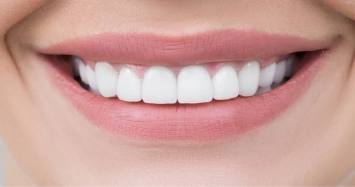

A better smile is not a vanity project for most men who ask about cosmetic dentistry. It is usually a practical decision. They want to look healthier, more alert, more capable, or simply less worn down. Some have spent years avoiding photos. Others are successful in their careers but notice that worn, stained, or uneven teeth undercut the image they have built everywhere else. A surprising number say the same thing in different words: “I want it to look better, but I do not want it to look obvious.”
That tension shapes almost every worthwhile treatment plan. Men often want improvement without polish Cosmetic Dentistry that feels too bright, too perfect, or disconnected from their face. The best cosmetic dentistry for men respects that instinct. It does not chase a generic “Hollywood smile.” It works with facial structure, age, skin tone, lip movement, gum display, and even personality. The result should look strong, healthy, and believable.
There is no single male smile design. A 28 year old sales executive, a 45 year old trial attorney, and a 62 year old business owner have very different goals, habits, and expectations for downtime. The common thread is customization. When treatment is planned well, the smile does not look “done.” It looks like the patient on his best day.
What men usually want, and what they usually want to avoid
When men describe the smile they want, they rarely speak in technical terms. They talk about looking tired, older than they feel, or less confident on video calls. They mention coffee stains, chips from sports, flattening from grinding, or a front tooth that has always turned in a little. Some are bothered by gaps or crowding, but just as often the complaint is broader: “My teeth make me look rough.”
What they usually want to avoid is just as important. Many do not want teeth that are too white for their complexion or age. They do not want rounded, delicate edges if their face is angular. They do not want treatment that creates a glossy, artificial look under office lighting. And they do not want a long process unless there is a clear payoff.
That is why good cosmetic dentistry starts with restraint. A stronger smile is often about subtle improvements in color, symmetry, edge position, and proportion rather than dramatic reshaping. In practice, a few millimeters matter. So does texture. Natural teeth are not flat, featureless tiles. They reflect light in a way that gives them life. When cosmetic work ignores that, people may not know what looks wrong, but they sense it.
The anatomy of a masculine smile
“Masculine” in dentistry should never mean harsh or oversized. It refers more to overall character than to a rigid set of measurements. Many men suit slightly squarer central incisors, a little more defined line angles, and incisal edges that look sturdy rather than soft. That said, the mouth must still belong to the face. A compact man with a narrow smile may not suit the same tooth shapes as a broad-shouldered man with a wide dental arch and strong jawline.
Age matters too. Younger teeth often show more translucency and subtle texture. With time, teeth naturally darken and wear. Trying to make a 55 year old patient look like a 20 year old can produce a smile that appears detached from the rest of his features. A better approach is often to restore what time and wear have taken away while preserving maturity. That might mean rebuilding shortened edges, softening one or two distracting flaws, and brightening the shade by a realistic amount rather than chasing paper white.
One of the most useful conversations in consultation is not about teeth at all. It is about how a man wants to be perceived. Authoritative, approachable, athletic, polished, understated, youthful, dependable. Those words guide design decisions more effectively than trendy photos.
Whitening, the gateway treatment that is often enough
Teeth whitening is the most requested cosmetic treatment for men, and for good reason. It is conservative, relatively affordable, and can make a real difference quickly. For men with generally healthy alignment and shape, whitening alone may solve most of the problem.
The catch is that it must be done thoughtfully. Over-whitening is one of the fastest ways to create an unnatural result. Men who drink coffee, tea, red wine, or use tobacco often have deeper intrinsic staining mixed with surface discoloration. Store-bought strips can help mild cases, but stronger custom tray systems or in-office whitening are more predictable. Custom trays also allow gradual control, which is useful for patients who want improvement without a dramatic jump.
Sensitivity is the trade-off. Men with gum recession, enamel wear, or cracks from grinding may struggle with aggressive whitening. In those cases, the smarter move may be a Cosmetic Dentistry shorter whitening cycle, lower concentration gels, or treating the underlying wear first. Another point that matters: crowns and fillings do not whiten. If a front tooth has an old restoration, whitening can expose a color mismatch that then needs refinement.
A common clinical scenario is the man in his late 30s or early 40s whose teeth are healthy but yellowed from years of coffee and inconsistent cleanings. He assumes he needs veneers because social media has narrowed his imagination. Then after a professional cleaning and carefully controlled whitening, he realizes that what he disliked was not the shape at all, but the dullness. He saves money, preserves enamel, and still gets the confidence boost he wanted.
Bonding for chips, wear, and small asymmetries
Composite bonding is one of the most useful tools in cosmetic dentistry for men because it can be subtle, efficient, and conservative. It is ideal for small chips, uneven edges, minor gaps, mild rotations, and localized wear. It can also be used to strengthen the visual balance of the front teeth without removing much, if any, healthy tooth structure.
The quality of bonding depends heavily on the dentist’s eye. Shade is only part of it. Surface texture, edge contour, and how the material catches light determine whether the repair disappears or announces itself. On a man with broad front teeth and stronger facial features, the bonding should often preserve crispness and structure. If the contours are too rounded or too smooth, the smile can lose character.
Bonding also has limits. It is not as stain resistant or durable as porcelain, especially in patients who bite hard, grind at night, or chew ice and pen caps. It can chip and may need maintenance over time. Still, for the right case, it is excellent value. It is particularly useful for men who want visible improvement before a wedding, promotion, or speaking engagement but are not ready for irreversible treatment.
I have seen bonding change how patients carry themselves with remarkably small edits. One man in finance had two front teeth worn flat from years of stress grinding. The change was not dramatic in photos, but once the edges were rebuilt to a more natural length, his whole expression looked less fatigued. He said colleagues kept asking if he had been sleeping better.
Veneers, powerful when earned, risky when overused
Porcelain veneers have a reputation that swings between miracle and mistake. The truth sits in the middle. For men with multiple concerns, such as discoloration that will not respond enough to whitening, visible wear, asymmetry, spacing issues, or shape problems across several front teeth, veneers can produce a refined, durable result. They are especially effective when the goal is coordinated improvement rather than spot correction.
But veneers are not a default upgrade. They require judgment. Poorly planned veneers can look bulky, chalky, or too uniform. Teeth may end up too long, too opaque, or too bright. Men are often especially sensitive to this because they tend to want authenticity over cosmetic obviousness. If a veneer case is going to work aesthetically, it must fit the patient’s face, lip dynamics, and age. It also needs a material and finish that mimic real enamel, not bathroom porcelain.
Minimal preparation veneers can preserve more tooth structure, but they are not suitable for everyone. If teeth already protrude, adding porcelain without enough space can create thickness that the tongue and eye both notice. In some cases, orthodontics first is the cleaner path. This is the kind of trade-off good planning addresses early.
There is also the question of scope. Not every patient needs ten veneers. Sometimes four or six are enough, especially if the smile width, gum line, and color transition are carefully managed. Restraint often produces the most sophisticated result.
Clear aligners for men who want order without metal
Many adult men dismiss orthodontics because they imagine teenage braces, long treatment times, and visible hardware. Clear aligners have changed that. For mild to moderate crowding, spacing, or bite discrepancies, aligners can move teeth discreetly and improve both appearance and function.
Their value in cosmetic dentistry is often underestimated. Before a single veneer or crown is placed, aligners can create a better foundation. They can reduce overlap, close a gap, upright a tilted tooth, or level the front edges so less drilling is needed later. This matters because the most natural cosmetic work usually starts with positioning teeth properly, not masking the problem.
Compliance is the weak point. Aligners work when they are worn consistently, usually around 20 to 22 hours a day. Men with frequent business dinners, client meetings, or irregular routines sometimes struggle more than they expect. They also require patience. Cosmetic fixes can be immediate, but tooth movement is biological. It takes time.
Still, for the right patient, clear aligners are often the most intelligent first step. A 41 year old executive with lower crowding and one slightly twisted upper lateral incisor may think he needs veneers. After eight to twelve months of aligners and whitening, he may get a better long-term result with less invasive dentistry.
Rebuilding worn teeth, where cosmetics and function meet
A large share of men seeking cosmetic improvement have one problem driving several others: wear. Grinding, clenching, acid exposure, high stress, reflux, sports trauma, and simply time can shorten and flatten teeth. This creates an older appearance, darkens the smile as enamel thins, and sometimes changes the bite. The patient sees “ugly teeth.” The dentist sees a mechanical problem with aesthetic consequences.
This is where cosmetic dentistry becomes more than surface enhancement. Worn teeth often need a careful mix of restorative and cosmetic planning. That may include bonding, porcelain veneers, crowns in selected areas, bite equilibration, and a night guard. If the wear is significant, restoring length without evaluating the bite can lead to fractures, soreness, or repeated failure.
Men who are strong clenchers often appreciate a straightforward explanation: if you rebuild the smile without managing the forces that damaged it, you are rebuilding into the same storm. It is not glamorous advice, but it prevents disappointment.
When wear is treated properly, the visual improvement can be striking. Restored tooth length supports the lips better, improves phonetics, and makes the lower face look less collapsed. Patients often think they need “whiter teeth,” when what they really need is for the smile to regain architecture.
Gum contouring and facial balance
Teeth do not exist in isolation. Gum shape frames the smile, and small adjustments can dramatically improve balance. A man with short-looking front teeth may not need larger restorations at all. He may have excess gum coverage, uneven margins, or inflammation from neglected hygiene. In that case, periodontal treatment or conservative gum contouring can reveal natural tooth structure and create a cleaner appearance.
This is an area where overcorrection is a real risk. Gum contouring should look biologically and aesthetically sound, not carved. The soft tissue architecture needs to match the teeth and heal predictably. It also needs to respect smile line. A patient who barely shows his gums when smiling may gain little from the procedure. A patient with asymmetry around one central incisor may gain a lot.
For men with heavy brushing habits and recession, the issue may be the opposite. Exposed roots can make teeth appear long, sensitive, and unhealthy. Cosmetic improvement may then involve gum grafting or restorative blending at the root surface. This is not the side of smile design that makes flashy before and after posts, but it often determines whether the final result feels complete.
Choosing shade, shape, and finish without looking overdone
The most successful male cosmetic cases usually share one trait: they stop short of perfection. Real teeth have variation. They are not identical from side to side. Their brightness suits the eyes and skin, not a filter. Their edges are not ruler straight unless youth or genetics made them that way.
Shade selection is less about the whitest possible result and more about vitality. A healthy, believable shade can be bright without looking fluorescent. Men with deeper skin tones often carry brighter shades beautifully, but the material still needs depth. Men with fair skin and mature features can look unnatural if restorations are too opaque. The finish matters too. High gloss can look fake when it lacks natural texture.
Shape deserves the same discipline. Slightly squarer teeth often suit men, but this should never become a caricature. If all the front teeth are widened and flattened indiscriminately, the smile starts to look blocky. Good design uses line angles and proportions to suggest strength while preserving lightness and individuality.
A useful way to frame decisions is this: the smile should catch attention for the right reasons, then disappear into the face. If people notice the dentistry first, something may be off.
The role of digital planning and mock-ups
Digital smile design, photography, scans, and mock-ups have improved communication tremendously. They help patients visualize possibilities and help dentists coordinate with the lab. For men who fear ending up with a smile that looks “too done,” a mock-up can be reassuring. It gives them a chance to test tooth length, contour, and visibility in speech and expression before committing fully.
Technology is helpful, but it is not judgment. A digital rendering can be seductive and still wrong for the face in motion. Some designs look excellent on a static screen and awkward in real life. That is why provisional restorations and trial mock-ups remain so valuable. They expose issues with phonetics, comfort, and personality that software cannot always predict.
How men can evaluate whether a treatment plan is sensible
A good cosmetic plan should feel specific, not sales-driven. It should explain what problem is being solved, why that method is appropriate, what the alternatives are, and what maintenance will look like. If every patient is steered toward the same treatment, caution is warranted.
Here are a few signs a plan is probably grounded in sound judgment:
- The dentist asks about grinding, habits, and long-term goals, not just shade.
- Conservative options are discussed before irreversible ones.
- The proposed color and shape are tied to your face, age, and preferences.
- The limitations and maintenance are explained plainly.
- Function, bite, and gum health are part of the conversation.
That kind of consultation tends to produce results that still look right five years later.
Cost, maintenance, and the value question
Men often ask a blunt but fair question: is cosmetic dentistry worth it? The answer depends on what is being bought. If the expectation is instant social transformation, probably not. If the goal is to correct visible wear, improve confidence, and create a healthier, more polished appearance that aligns with the rest of one’s professional and personal life, the value can be substantial.
Whitening is the lowest entry point and often the best cost-to-benefit ratio. Bonding sits in the middle, affordable and effective but less permanent. Clear aligners require commitment and patience, yet they often improve both aesthetics and cleanability. Veneers and complex rehabilitations are major investments, and the returns depend heavily on planning and craftsmanship.
Maintenance matters more than many patients expect. Whitening needs touch-ups. Bonding may need polishing or repair. Veneers need routine care and protection from destructive habits. A night guard can be the least exciting part of treatment and the reason the rest survives. Cosmetic dentistry is not a one-time event. It is a long-term relationship between materials, biology, and behavior.
The strongest results are usually the least flashy
The best work in cosmetic dentistry for men rarely announces itself. It removes distraction. Stains no longer draw the eye. A chipped edge no longer makes the smile look neglected. Worn teeth no longer make the face appear exhausted. The improvement feels proportional, believable, and integrated.
That subtlety is not accidental. It comes from careful diagnosis, honest discussion, technical skill, and a willingness to say no to treatments that would be too much. Men tend to appreciate that kind of directness. They do not need a new identity. They want a smile that looks healthy, capable, and like it belongs to them.
When that happens, the outcome is more than cosmetic. A man smiles freely in photos. He stops covering his mouth when he laughs. He speaks without wondering whether people are noticing the stain, the chip, the crowding, the old crown, the years of wear. That is what tailored smile enhancement is really for, not perfection, but ease.
Toothworks of Bakersfield, Dentist and Orthodontist
1030 H St #1, Bakersfield, CA 93304, United States
+1 661-323-9421
FAQ About Cosmetic Dentistry
Is bonding better than veneers?
Neither option is best for everyone. Composite bonding can address small chips, gaps, or shape concerns and is generally easier to repair. Porcelain veneers may offer greater resistance to staining and wear, but often require removal of some enamel. A dentist should assess your oral health, bite, goals, and budget before recommending treatment.
How long will dental bonding last?
Bonding commonly lasts about three to ten years before it needs repair or replacement, though this varies with the location and amount of bonding, your bite, and daily habits. Regular dental visits, good oral hygiene, and avoiding chewing hard objects can help protect it. Ask your dentist what lifespan is realistic for your particular treatment.
What are the risks of teeth whitening?
Whitening can cause temporary tooth sensitivity and gum irritation. Overuse or incorrect use may damage teeth or gums, and whitening does not change the color of existing crowns, veneers, or fillings. Have a dentist assess your teeth and gums, and follow the recommended product directions and treatment schedule.