Column · @edgartmqs284
A Complete Cosmetic Dentistry Guide for Adults
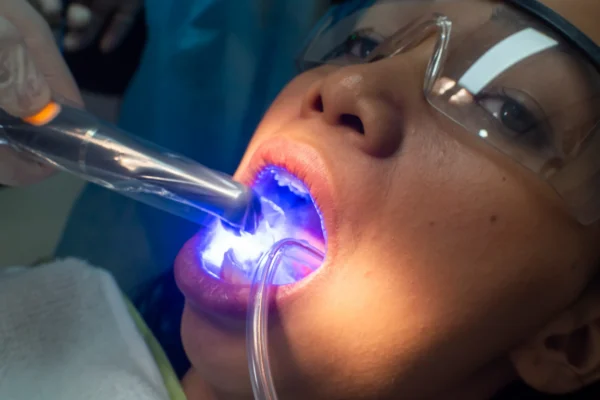
Cosmetic dentistry sits at the intersection of health, function, and appearance. That balance matters more than many adults expect. A brighter smile may sound like a simple aesthetic goal, but the choices behind it often involve bite mechanics, enamel thickness, gum position, age-related wear, and long-term maintenance. What looks effortless in a photo usually depends on careful planning in the chair.
Adults tend to approach cosmetic dentistry differently than younger patients. They are often juggling old fillings, recession, grinding, staining from coffee or wine, and the realities of time and budget. They also know what they do not want. They do not want oversized teeth that look artificial. They do not want a result that photographs well but feels strange when they talk or chew. They want improvement that suits their face, lifestyle, and age.
That is what makes a complete guide useful. Cosmetic dentistry is not one treatment. It is a category that includes whitening, bonding, veneers, contouring, orthodontic alignment, gum reshaping, crowns in visible areas, and implant restorations designed with aesthetics in mind. The right choice depends less on trends and more on diagnosis.
What cosmetic dentistry actually covers
When people hear the phrase Cosmetic Dentistry, they often think of veneers. Veneers are only one option, and not always the best one. Cosmetic treatment can be remarkably conservative. Sometimes the most satisfying case is not a dramatic makeover but the correction of small issues that have bothered a patient for years, a chipped front tooth, uneven edges, dark staining near old fillings, or a smile that looks tired because of wear.
A useful way to think about cosmetic dentistry is this: it improves the appearance of teeth and gums while respecting oral health and function. The best treatment plans are not purely cosmetic. They account for how the patient bites, whether they clench at night, the condition of the gums, the color of adjacent teeth, and how visible the teeth are when the person speaks and smiles. Those details shape every decision.
A dentist evaluating an adult for cosmetic treatment will usually consider color, shape, alignment, proportion, texture, translucency, gum symmetry, and lip support. That may sound technical, but it translates into something very human. Natural smiles are not flat white rows of identical rectangles. Healthy, attractive teeth have subtle variation. The front teeth often differ slightly in length. The canine teeth frame the smile. Surface texture reflects light differently from one person to another. Age changes all of this.
Why adults seek treatment
Most adults do not walk into a practice asking for a textbook procedure. They come in with a frustration. One patient may say, “My teeth look darker no matter how much I brush.” Another may say, “I hate the one front tooth that sticks out in photos.” Someone else may be dealing with old dental work that no longer matches the surrounding enamel.
There are also life-stage triggers. People often explore cosmetic dentistry before a wedding, after a divorce, before returning to dating, ahead of a major presentation-heavy job, or simply because they are finally ready to invest in themselves. That motivation is valid, but timing should never override proper planning. A rushed cosmetic case tends to reveal itself months later, usually in the form of sensitivity, chipping, gum irritation, or a smile that never quite looked right.
Age matters, though not in a limiting way. A 28-year-old with healthy enamel and mild crowding may benefit from whitening and short-term aligners. A 52-year-old with flattened edges, recession, and several old restorations may need a staged approach, first stabilizing the bite, then replacing visible work, then whitening or reshaping. Both are cosmetic cases. They simply require different judgment.
The first appointment matters more than people think
A strong cosmetic result begins with a diagnostic conversation, not a sales pitch. If the consultation jumps straight to pricing or a one-size-fits-all package, that is a warning sign. Adult cosmetic care works best when the dentist asks detailed questions. What specifically bothers you? What do you like about your smile now? Have your teeth shifted? Do you wake with jaw soreness? Have you whitened before? Are you hoping for subtle improvement or a dramatic change?
Photos are often more revealing than the mirror. Many dentists take images at rest, in a full smile, and during speech. Video can help too. Some issues only show up in motion. A patient may display very little upper tooth at rest but a broad smile while laughing. Another may have uneven gum display on one side that is not obvious until they animate. These observations help avoid over-treating one feature while missing the real source of concern.
In adult cases, records can also include X-rays, digital scans, study models, shade analysis, and a review of past dental work. None of this is glamorous, but it is the groundwork for predictability. Cosmetic dentistry done well is often less about artistry alone and more about disciplined diagnosis followed by restrained, skilled execution.
Whitening, the simplest option and the most misunderstood
Professional whitening is usually the least invasive cosmetic treatment available. It can significantly brighten teeth affected by food, drink, age-related yellowing, or tobacco, though tobacco stains sometimes need cleaning and polishing before whitening shows a real difference. Whitening works best on natural enamel and dentin. It does not whiten crowns, veneers, or tooth-colored fillings, which is where disappointment can set in if expectations are not managed.
There are two broad approaches, in-office whitening and take-home systems from a dentist. In-office treatment tends to be faster. Take-home trays often give more control and can be easier for patients with sensitivity. Over-the-counter products may help with minor surface staining, but they are less predictable because fit, strength, and wear time vary widely.
The biggest misconception is that whiter always looks better. It does not. Very bright shades can appear opaque and artificial, especially in adults with more mature facial features. Another common issue is mismatched work. If the front teeth are whitened but a visible old filling or crown stays dark, the contrast can become more obvious, not less. In those cases, whitening is often done first, then existing restorations are replaced to match the new shade.
Sensitivity is real. Some patients barely notice it. Others feel zingers for a day or two, especially if they already have recession or enamel wear. That does not necessarily rule whitening out, but it changes the protocol.
Bonding, small changes with a big visual payoff
Composite bonding is one of the most useful tools in cosmetic dentistry because it can preserve natural tooth structure while correcting chips, gaps, worn edges, uneven contours, and minor shape issues. It is often Cosmetic Dentistry the right answer when a patient wants improvement without committing to irreversible treatment.
Done well, bonding can be beautiful. Modern materials come in multiple shades and translucencies, allowing the dentist to mimic the way natural teeth reflect light. Done poorly, it can look flat, bulky, or chalky. It can also stain over time, especially in people who drink a lot of coffee, tea, or red wine, or those who smoke.
The appeal of bonding is that it is usually completed in one visit and often requires little to no drilling. The trade-off is durability. Bonding is not as strong or stain-resistant as porcelain. In a patient who bites edge to edge, chews ice, or grinds heavily, front-edge bonding may chip or wear sooner. For the right person, though, it can be a conservative and cost-effective option that buys years of confidence.
A common real-world example is the adult who chipped a front tooth in college and has had it patched several times. If the shape is small and the bite is favorable, refined bonding may solve the issue beautifully. If the tooth has been repaired over and over and is now discolored or structurally compromised, porcelain may be the better long-term choice.
Veneers, excellent in the right case, excessive in the wrong one
Porcelain veneers have become the public face of cosmetic dentistry, largely because they can change color, shape, size, and alignment at the same time. They are thin porcelain facings bonded to the front surface of teeth, usually in the smile zone. In experienced hands, veneers can look remarkably natural. They can also look conspicuously artificial when planned badly or pushed too far.
Veneers make sense when there are multiple concerns that cannot be solved with whitening or bonding alone. Common examples include intrinsic discoloration that resists bleaching, worn or misshapen front teeth, old bonding that keeps failing, mild misalignment the patient does not want to correct orthodontically, or a smile that needs coordinated changes across several teeth.
Preparation varies. Some veneers require minimal enamel removal. Others need more reshaping to create space and avoid bulky results. “No-prep” veneers are marketed heavily, but they are not universally appropriate. If teeth already project forward or are naturally full, adding porcelain without creating room can make the smile look thick and overcontoured.
The planning stage is where good veneer cases separate from mediocre ones. Many dentists use wax-ups or digital mockups so the patient can preview shape and length before final treatment. This step is invaluable. It helps align expectations and often reveals small adjustments that matter a great deal, softer corners, slightly less length, or a less uniform arrangement that feels more believable.
Veneers are durable, but they are not maintenance-free. They can chip. Margins can show over time if gums recede. The surrounding teeth can darken while the veneers stay the same color. Patients who grind often need a night guard to protect the investment.
Clear aligners and minor orthodontics, often the smartest first move
Some cosmetic concerns are really alignment problems. If one front tooth overlaps another, if spacing has opened, or if lower crowding has worsened with age, moving the teeth may produce a better and more conservative result than masking the issue with restorative treatment.
Adults are often surprised to learn that short-term orthodontics can make other cosmetic work simpler and better. A few months of alignment can reduce the amount of enamel that would otherwise need reshaping for veneers or bonding. It can also improve gum symmetry and create cleaner spaces for restorative finishing.
Clear aligners appeal to adults because they are discreet and removable, though they require discipline. They work well for many mild to moderate cosmetic alignment issues. More complex movement may still require comprehensive orthodontic care. After treatment, retainers are essential. Teeth do not stay put on goodwill alone, especially in adults who have already experienced drifting.
This is one of the most underappreciated truths in cosmetic dentistry: the best-looking restoration is often the one you no longer need because proper tooth movement solved the problem more conservatively.
Gum contouring and the frame around the teeth
Teeth do not exist in isolation. The gums are the frame, and asymmetry in that frame can make otherwise healthy teeth look short, uneven, or crowded. In some adults, the issue is simply excess gum tissue over otherwise normal enamel. In others, the teeth have actually worn down and the gums are not the problem. Distinguishing the two matters.
Gum contouring can improve balance when one tooth appears shorter than its counterpart or when a gummy smile is caused by soft tissue positioning. The procedure may be done with traditional instruments or a laser, depending on the case. Healing is usually manageable, but proper evaluation is critical because bone levels sometimes determine how much reshaping is biologically safe.
There is also a broader category of periodontal cosmetic care. Adults with recession, black triangles between teeth, or uneven gum architecture may need treatment that blends aesthetics with gum health. This can involve orthodontics, restorative contour changes, periodontal therapy, or some combination. Quick fixes are rarely satisfying if the underlying tissue support is unstable.
Crowns, implants, and replacing visible teeth without a patched look
Not every cosmetic problem involves healthy natural teeth. Adults often have heavily filled front teeth, old crowns placed years ago, or missing teeth in visible areas. Cosmetic dentistry overlaps with restorative dentistry here, and the line between them becomes less important than the final outcome.
A crown on a front tooth demands more planning than many patients realize. Shade is only part of the job. Translucency, surface texture, light reflection, and neighboring tooth color all matter. So does the condition of the gum around the crown. Even beautifully made porcelain can stand out if the margin is inflamed or uneven.
Implants in the aesthetic zone require even more caution. Replacing a missing front tooth is not just about the crown you see. The bone and gum support determine whether the final tooth looks like it belongs there. Adults who lose a front tooth from trauma or failed dental work often assume the implant crown is the whole story. In reality, site development, temporary shaping, and tissue management often make the difference between a passable replacement and a convincing one.
How dentists choose the right treatment
There is no universal best option, only a best option for a specific mouth, face, and set of priorities. When experienced clinicians weigh cosmetic choices, they tend to return to a few practical questions:
- How much healthy tooth structure can be preserved?
- Will the result hold up under this patient’s bite and habits?
- Can the color and shape blend naturally with adjacent teeth?
- What maintenance will be realistic for this person?
- Does the patient want subtle refinement or a noticeable transformation?
Those questions often narrow the field quickly. A patient who grinds hard and wants dramatic whitening but refuses a night guard may not be a good veneer candidate without first addressing risk. A patient with one dark central incisor after root canal treatment may need internal bleaching, a veneer, or a crown depending on the tooth’s condition. A patient asking for “perfect” teeth may really need a conversation about proportion and naturalism.
Cost, longevity, and what value really means
Cosmetic dentistry spans a wide cost range. Whitening is usually the most accessible. Bonding sits in the middle. Veneers, crowns, aligner treatment, and implant restorations cost more because they involve materials, planning time, lab work, and sometimes multiple phases. Prices vary by region and complexity, so broad comparisons matter more than exact numbers.
Adults are often tempted to compare procedures by upfront fee alone. That can be misleading. Lower-cost work that stains, chips, or needs replacement early may be more expensive over time. At the same time, the highest-cost option is not automatically the wisest. If a small bonded repair can solve the problem for several years while preserving enamel, that may represent excellent value.
Longevity depends on materials, habits, hygiene, and bite forces. Porcelain usually outlasts composite in the front teeth, but only if the case is designed properly and protected when needed. Whitening needs maintenance. Aligners require retention. Gum health must be maintained around every restoration. Cosmetic results are not static purchases. They are relationships between treatment and upkeep.
How to choose a dentist for cosmetic work
Adults often feel pressure to judge cosmetic dentists by before-and-after photos alone. Photos matter, but they can mislead. Lighting, editing, case selection, and smile posture can make average work look exceptional. A more reliable approach combines visual evidence with conversation and clinical reasoning.
Look for a dentist who explains options rather than pushing one answer. Pay attention to whether they discuss function, gum health, and maintenance, not just appearance. Ask what they would recommend if this were their own mouth or a family member’s. Good cosmetic clinicians usually answer with nuance. They are comfortable describing trade-offs.
A solid consultation should leave you with clarity on diagnosis, not just excitement about possibilities.
Questions worth asking before you say yes
Many expensive regrets could be avoided if patients paused long enough to ask a few direct questions:
- What is the most conservative option that could still meet my goals?
- What are the likely maintenance needs over five to ten years?
- How will this affect my bite, speech, or sensitivity?
- Are temporary mockups possible before final treatment?
- What happens if I chip, stain, or dislike the result?
The way those questions are answered tells you a lot. If the response is dismissive or vague, keep looking.
When cosmetic treatment should wait
Not every adult is ready for cosmetic dentistry the day they ask for it. Active gum disease, untreated decay, heavy grinding, unstable bite problems, and poor home care should be addressed first. This is not gatekeeping. It is common sense. Beautiful work placed into an unhealthy environment rarely Cosmetic Dentistry stays beautiful.
Sometimes the pause is emotional rather than clinical. A patient in the middle of major life stress may want an immediate transformation and later wish they had chosen more conservatively. Cosmetic dentistry is elective in many cases, which means it deserves clear thinking. A good dentist knows when to proceed and when to slow down.
The most natural smiles are rarely the most obvious dental work
There is a reason the best cosmetic dentistry often goes unnoticed. It respects the person wearing it. It does not flatten every characteristic into uniform brightness and identical shapes. It restores what was lost, refines what feels distracting, and protects what is healthy.
For adults, that usually means choosing treatments that fit the condition of the teeth now, not the version of the mouth they had at 18. It means accepting that longevity and beauty are linked. It means understanding that subtle work can have a profound impact. A slightly brighter shade, repaired edges, cleaner symmetry, and better alignment can change how a person feels every time they speak, laugh, or see themselves in a candid photo.
Cosmetic Dentistry, at its best, is not about chasing a trend. It is about careful decisions, biological respect, and results that still make sense years later. That is the standard worth aiming for.
Toothworks of Bakersfield, Dentist and Orthodontist
1030 H St #1, Bakersfield, CA 93304, United States
+1 661-323-9421
FAQ About Cosmetic Dentistry
Is bonding better than veneers?
Neither option is best for everyone. Composite bonding can address small chips, gaps, or shape concerns and is generally easier to repair. Porcelain veneers may offer greater resistance to staining and wear, but often require removal of some enamel. A dentist should assess your oral health, bite, goals, and budget before recommending treatment.
How long will dental bonding last?
Bonding commonly lasts about three to ten years before it needs repair or replacement, though this varies with the location and amount of bonding, your bite, and daily habits. Regular dental visits, good oral hygiene, and avoiding chewing hard objects can help protect it. Ask your dentist what lifespan is realistic for your particular treatment.
What are the risks of teeth whitening?
Whitening can cause temporary tooth sensitivity and gum irritation. Overuse or incorrect use may damage teeth or gums, and whitening does not change the color of existing crowns, veneers, or fillings. Have a dentist assess your teeth and gums, and follow the recommended product directions and treatment schedule.